
- Home
- it asset management
- it asset inventory
IT Asset Inventory Software
What is IT asset inventory?
A reliable IT asset inventory creates visibility across your entire IT estate and serves as the operational foundation for governance, risk management and cost control.
IT asset inventory for complex enterprise environments
Unlike manual or spreadsheet-based approaches, enterprise-grade inventory ensures consistent asset visibility across business units, geographies and regulatory frameworks.
Why IT Asset Inventory Management matters
Complete visibility across hybrid IT
Security, compliance & audit readiness
Cost control & license optimization
Automated discovery & lifecycle control
Complete visibility across hybrid IT
Security, compliance & audit readiness
Cost control & license optimization
Automated discovery & lifecycle control
How to create and maintain an IT asset inventory
1. Define scope and asset categories
2. Automate discovery and data collection
3. Normalize and standardize data
4. Assign ownership and lifecycle status
5. Continuously monitor and update
Key capabilities of USU IT Asset Inventory software
Know what you use — on-prem and in the cloud
Strengthen governance and compliance
Improve CMDB data quality
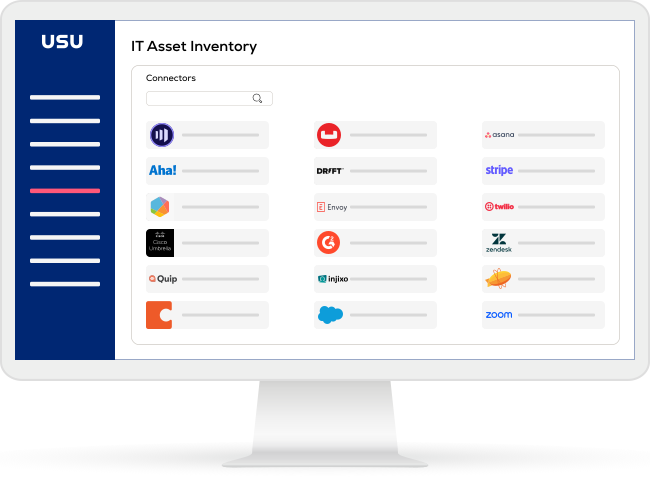
View all assets in one data platform
USU consolidates technical, financial and organizational asset information into a unified data layer. Business context, ownership details and lifecycle tracking are connected with technical discovery results, creating a comprehensive IT asset view.
This integrated perspective enables informed decision-making across IT, finance and procurement.
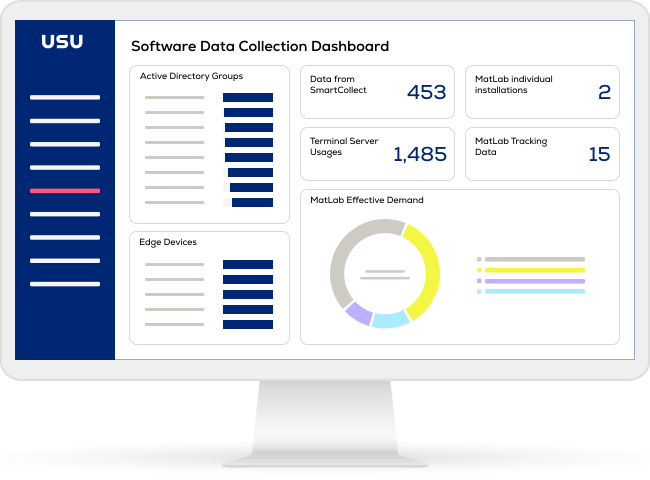
Collect data with automated discovery
Automated discovery technologies detect connected devices, installed software and cloud services without manual intervention. Flexible deployment options ensure coverage across complex and distributed infrastructures.
Integration with enterprise systems such as Active Directory, virtualization platforms and service management tools enables structured data consolidation across environments.
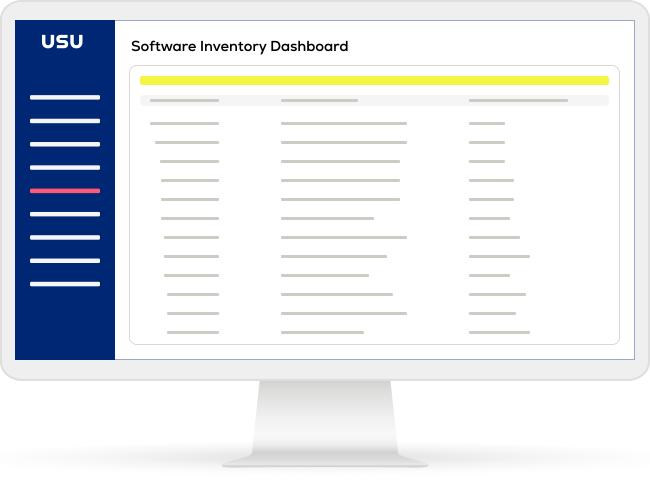
Benefit from normalized and accurate data
Advanced normalization mechanisms consolidate raw discovery results into standardized asset records. Duplicate entries are eliminated, naming conventions are aligned and categorization is automated.
Reliable, structured asset data improves reporting accuracy, audit preparedness and operational decision-making.
How retail giant METRO AG brought their IT under control
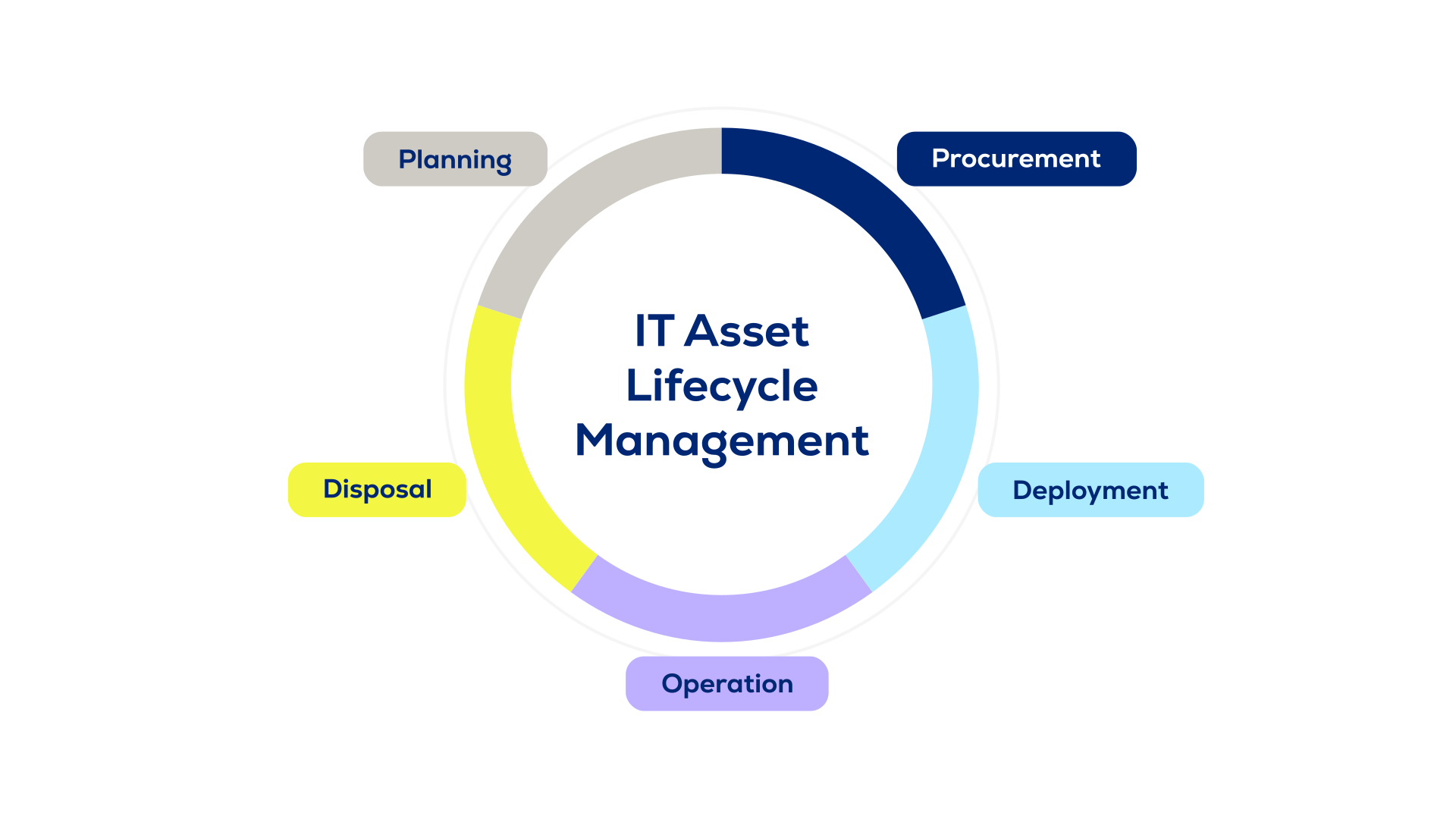
IT Asset Inventory software across the full lifecycle
IT Asset Inventory software supports structured lifecycle governance from procurement and deployment through operation and retirement. Transparent lifecycle visibility enables capacity planning, contract alignment and controlled decommissioning processes.
By connecting inventory data with lifecycle management, organizations reduce waste, mitigate risk and extend asset value.
Common IT asset inventory challenges
Automated discovery, structured data normalization and centralized governance frameworks are essential to maintain accurate and audit-ready asset records organization.
Frequently Asked Questions
What is IT asset inventory management?
IT asset inventory management refers to the structured tracking and documentation of all IT assets within a centralized system to ensure transparency, accountability and governance.
Why is accurate asset inventory important?
Accurate inventory data reduces operational risk, improves financial planning and supports regulatory compliance by providing a verified view of all IT resources.
How does automation improve IT asset inventory?
Automated discovery continuously identifies changes across infrastructure and cloud environments, reducing manual effort and improving data accuracy.
What should be included in an IT asset inventory?
How is IT asset inventory different from IT asset management?
How often should IT asset inventory be updated?
How does IT asset inventory improve cybersecurity?
What challenges do organizations face with IT asset inventory?
Get in touch with an expert
Do you have questions about our offering? A quick call can be way more helpful than a long email chain. Talk to one of our experts to explore our products and see them in action.


Nate Milewski
Business Development
IT Asset Management
Send us a message
No matter if you like to partner with USU or just have a few questions.


